Oral Surgery
Some problems go deeper—and need a surgical solution.
Maybe you’ve got a tooth that won’t budge. Or an issue under the surface that’s been causing pain for far too long. Whatever the reason, oral surgery can be the next step toward comfort, function, and long-term health.
We know “surgery” sounds intimidating. But it doesn’t have to feel that way. With the right provider—and the right care—it can feel like progress.


Not all dental problems stay above the gumline.
Sometimes the issue is buried deep—inside a tooth, under the bone, or around a root that’s causing more trouble than it’s worth. Oral surgery is how we treat what can’t be reached with simple cleanings or fillings.
It’s not about doing more than you need. It’s about doing the right thing, carefully and with intention.
Depending on your case, oral surgery may be recommended to:
• Remove teeth that can’t be saved
• Remove impacted or problematic wisdom teeth
• Prepare your mouth for implants or dentures
• Treat infections that have spread below the surface
• Repair bone or soft tissue damage
• Manage cysts or growths inside the jaw
You won’t be left wondering what’s happening. Every step is explained. Every option is considered.
It starts with a clear plan—and ends with a better path forward.
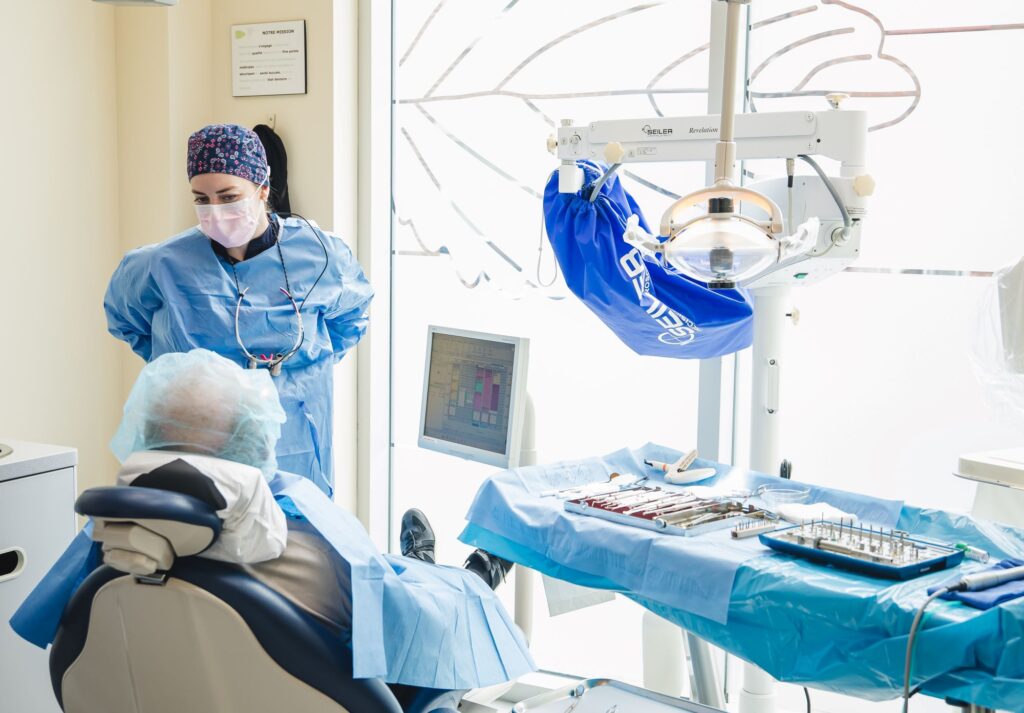
No two surgical cases are quite the same, which is why your dentist will begin with a thorough exam and imaging. From there, they’ll walk you through what’s needed—and what’s not.
If surgery is the best option, you’ll know exactly what it involves before anything begins.
Most oral surgery appointments include:
• A full explanation of the procedure and sedation options
• Local anesthesia to numb the area, and additional sedation if appropriate
• A careful, efficient approach to minimize discomfort and downtime
• Clear instructions for aftercare, including pain relief and healing support
• A follow-up plan to make sure recovery goes smoothly
Some people go back to work the next day. Others take a bit more time. Your provider will help guide that decision based on the work done—and your comfort level.

Your dental questions, answered.
You’re not alone—and you’re not in the dark.
If you’ve been told you need oral surgery, or suspect you might, the most important step is finding a provider you can trust.At 123Dentist, we’ll help you feel informed, supported, and ready—every step of the way.